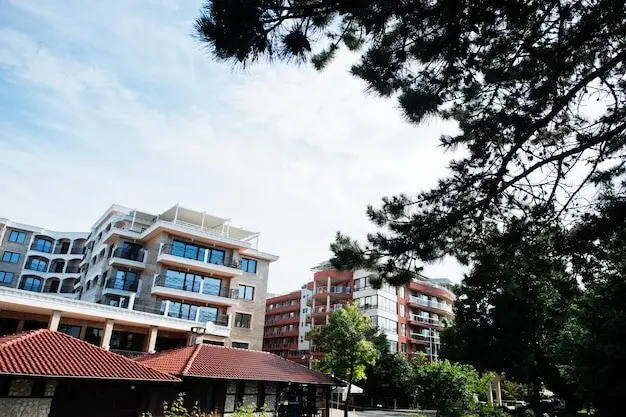
House-by-House Insight That Lights Up the Block

Join us as we unpack the Street-Level Home Value Heatmap, a finely grained view of neighborhood pricing that moves beyond ZIP codes and broad averages. See how parcel-level data, careful modeling, and thoughtful visualization can reveal quiet micro-trends, surface overlooked strengths, and inspire smarter conversations among buyers, owners, and agents on the very blocks where daily life unfolds.

Why the Smallest Map Unit Matters

Parcel Grain Beats Postal Boundaries

Postal zones and citywide medians flatten reality, masking price breaks that emerge at driveways, intersections, and even side-yard fences. Parcel-level granularity elevates comparable sales that truly match a home’s setting, enabling fairer expectations and healthier negotiations. It helps curious neighbors, first-time buyers, and seasoned agents read the landscape with empathy, evidence, and practical confidence rather than hunches or rumors.

Street Features Shape Perceived Worth

A canopy of mature oaks, a gentle grade for winter driving, and a protected bike lane can nudge value upward, while night-time glare, bus idling, or a cut-through shortcut can do the opposite. Measuring these micro-influences alongside schools, noise, and walkability shows why one block sells briskly while another lingers. The heatmap translates lived experience into careful signals that feel convincing and actionable.

Outliers Tell Cautionary Stories

A corner lot next to a busy arterial, or a home tucked behind a beloved café’s delivery alley, can defy neighborhood averages. Instead of hiding such outliers, the map frames them with confidence bands, comparable context, and narrative notes. That transparency helps buyers avoid regret, sellers price realistically, and neighbors discuss improvements constructively, turning potential friction into understanding and shared problem-solving.

From Records to Radiance: Building the Map

Transforming raw transactions into a clear, block-by-block picture demands reliable sources, respectful handling, and rigorous modeling. Public records, assessor rolls, multiple listing data, and open mapping layers converge, then pass through cleaning steps that guard privacy and accuracy. Finally, spatial models infer smooth patterns across parcels, creating tiles that load quickly, communicate honestly, and invite exploration rather than overwhelm.

Design That Earns Confidence

A believable heatmap treats color like language, interactions like conversation, and defaults like promises. Every visual choice aims to reduce confusion and avoid over-precision. We design for screen glare in cars, color vision differences, rushed thumbs on phones, and deep desktop sessions. The interface rewards curiosity, but never tricks people into thinking estimates are certainties or guarantees.

Colors, Contrast, and Accessibility

We choose palettes that remain distinct in grayscale and under color vision deficiencies, and pair them with clear labels, generous contrast, and adjustable brightness. Patterns and outlines reinforce meaning when color cannot. Text is readable at arm’s length, and controls have large targets. This care helps neighbors, agents, and city staff make faster, kinder decisions with shared understanding and reduced strain.

Interactions That Invite Exploration

Hover to compare two blocks, tap to open recent comparables, filter by renovation year, draw a walk-shed, or bookmark a favorite place. Subtle animations guide your eye without exaggerating movement. You can subscribe to micro-trend alerts for your street and invite neighbors to annotate notable changes. Discovery feels playful but grounded, turning passive scrolling into purposeful, community-centered learning.

Fast Renders on Any Device

Vector tiles, server-side precomputation, and WebGL acceleration keep pans fluid and zooms snappy, even on modest phones. Caching near where people live reduces latency at peak hours. When connections slow, the map degrades gracefully, prioritizing clarity over flair. Performance communicates respect: your time matters, your curiosity deserves momentum, and your battery should last the entire open-house circuit.

Fairness, Privacy, and Responsible Use

Maps can help or harm. We study past redlining, present zoning inequities, and representation gaps to avoid repeating injuries. Aggregation thresholds, jittering, and suppression protect households while still conveying patterns. Prominent disclosures explain uncertainty and intended purpose. Estimates never replace appraisals or legal advice, and we invite continuous feedback so safeguards evolve with community needs and research advances.

Stories From the Block

Numbers matter most when they meet lived experience. A young family skipped a shiny listing after noticing a steeper evening noise gradient one block over. A retiree invested in shade and porches, not granite, and saw stronger interest. A neighborhood group used data to argue for traffic calming, and collisions declined. Share your street story and help refine the picture.

A Buyer Who Chose the Quieter Curve

Comparing two near-identical homes, a buyer noticed the heatmap’s cooler tones curling along a side street buffered by tall hedges. Evening visits confirmed softer noise and friendlier foot traffic. They bid confidently, skipped costly window upgrades, and later hosted neighbors on a calm, breezy porch. Submit your comparisons and we’ll highlight practical tactics others can borrow this season.

A Seller Who Timed the Morning Light

The map’s annotations hinted at faster absorption on blocks with gentle east-facing exposure and early bus stop shade. A seller photographed at sunrise, refreshed landscaping to brighten the approach, and listed before school break. Multiple offers arrived without escalation drama. Their takeaway: micro-context sells serenity, not just square footage. Tell us what small improvements nudged attention on your block.

A Neighborhood That Calmed Its Traffic

A civic group overlaid value stability with speeding complaints and found a corridor where both suffered. Armed with evidence, they petitioned for curb extensions and adjusted signal timing. Six months later, prices stopped lagging adjacent blocks, and evening strolls returned. If your street earned a safety win, share the playbook so others can persuade decision-makers with confidence and care.

Join, Contribute, and Keep Learning

Great maps grow with engaged communities. Subscribe for monthly street-level updates, contribute local context, and suggest features that make everyday decisions easier. Whether you love data, design, or porch conversations, your perspective sharpens interpretations and reveals blind spots. Together we can build a respectful, useful guide that supports wiser offers, fairer listings, and kinder neighborhood planning for everyone.
Lentorinokento
Privacy Overview

This website uses cookies so that we can provide you with the best user experience possible. Cookie information is stored in your browser and performs functions such as recognising you when you return to our website and helping our team to understand which sections of the website you find most interesting and useful.